




You have a lot of things to consider when you are going over the different online casinos. What is it that makes the worthy of your time and money?
One of the main considerations you need to keep in mind will have to do with the licenses and jurisdictions. You want to be sure you're joining a good online casino you can count on. The main goal should be to be secure and safe. Trustworthy brands arethose you should be looking at. Moreover, you also need to make sure you are eligible to become a real money player there.
You want to start by understanding the role the licenses and jurisdiction plays to the online casino industry. Then, learn about how to find this information and what to look for. Finally, understand how to compare the information so you make the right decision for you and your gaming needs.
In this casino guide, we'll explain how gambling licenses work. Additionally, we'll show you how do a little gambling licence check yourself. With a little help from us, you'll be a licensing expert in no time.
About Licenses and Jurisdictions
Let's start with the first thing you need to understand is when you are looking for the right online casino for you to play at. Namely, you want to know that the one you choose is secure and trustworthy. You need to know it is going to offer you a certain level of quality. Moreover, it needs to be dependable for the long haul. We'll tell you what to be on the lookout for.
There are many areas in the world in which the online casinos are regulated and licensed. The jurisdiction the casino is licensed at will depend on where it operates from. But not only that. It also depends on where the player servers are kept, as well as where the taxes go.
Always verify that a casino is run from a jurisdiction known for doing an excellent job of regulating the casinos. Theit job is to make sure they are held to high standards.
A Few Names to Remember
Each of the jurisdictions will regulate the online casinos and the regulations will depend on that particular jurisdiction. Some of the most common countries that license online casinos are Gibraltar, Kahnawake, Curacao, Antigua and Barbuda, Malta, and the Isle of Man.
The reputations of these regulatory bodies have changed and varied over time. At the time of writing, the UK Gambling Commission and the MGA count as the stricted monitoring organs. Several years ago, it was the Isle of Man and Gibraltar who played the biggest part on that side of the market.
For a casino to be licenses in a certain jurisdiction, it will be required to pay fees and taxes. In exchange, the license provided to the online casino allows the casino operator to provide its services from that jurisdiction. It also gives the casino the right to display the licensing information directly on their site.
Why this Information is Important to You
When you begin researching the different jurisdictions you will see that some are stricter than others. Each differs from the others in certain aspects. Your best bet is to go with a casino licensed in a jurisdiction that holds casinos to the highest standards.
What's more, reputable regulatory organs demand that the casinos reach certain levels of testing, fair gaming, and support. If you play at a casino that is licensed in a more relaxed jurisdiction, you run the risk of it not meeting the level of quality that you should be looking for.
The Gambling (Licensing and Advertising) Act 2014
In November 2014, The Gambling (Licensing and Advertising) Act 2014 (the “Act”) came into force. The goal behind it was to combat match-fixing in sports and similar irregularities in gambling. Namely, only operators with the UK license could advertise to UK bettors. Additionally, remote operators had to pay gambling duty pari passu 15% of gross gambling profits.
While this primarily concerns sportsbetting, it is worth noting that the Commission played the crucial part in this battle.
Determining if the Casino is Licensed in a Trusted Jurisdiction
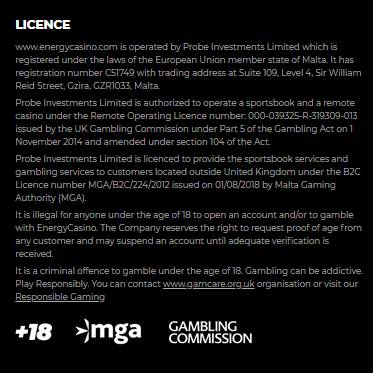
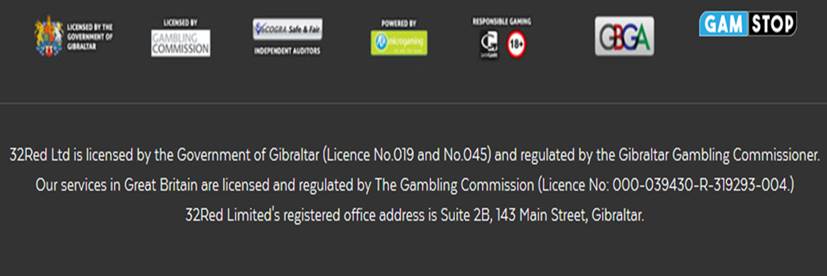
When looking over an online casino to determine if it is a good one for you, you'll find a lot of information right on the spot. The casino's website can help you determine whether or not it is the right choice for you. When it comes to finding the licensing information on the casino you will see that most casinos offer this information on the bottom portion of their homepage. Others may include this information in their “About Us” section. If you aren’t able to locate the licensing information then you can contact the customer support team. They will be able to point you to this information.
Pivotal Points
Once you find the licensing information you want to verify that it has a license in one of the better jurisdictions. You can do this by reading information on that particular jurisdiction. Pay attention to the standards it holds the online casinos to. We offer you some information on the more common jurisdictions below. You can use these to learn about them and what to expect from the casinos. One thing to keep in mind is you can never learn too much. This is very true with regards to the online casino gaming industry.
Realize that while it's important to pay attention to the jurisdiction, it is not the only thing you want to pay attention to. You still need to pay heed to other important factors. However, the license gives you important information to consider along with the other features the casino possesses.
Most Trusted Jurisdictions
- The UKGC – Active since 2007, the UK Gambling Commission (UKGC) is now a dominant figure in the game. The gambling license UK is one of the most desirable ones. The UKGC is responsible for regulating UK-based and targetting gambling brands. To put it simply, if a casino lauds the UKGC license, it deserves your trust.
- Isle of Man – The Isle of Man offers gambling licenses to online and offline casinos and other gambling entities. It has extremely strict regulations which have helped to make it a favorite jurisdiction for many casinos and have also led to it becoming a model by which other countries should try to follow.
- Antigua and Barbuda – Antigua and Barbuda was one of the first jurisdictions for online gambling licenses and licensed casinos in this jurisdiction need to meet strict standards with regards to their software and fair gaming. They must also maintain a physical headquarters in Antigua.
- Malta – Malta is another great licensing jurisdiction. It provides licensing for many different types of online gambling. It was the first member of the European Union to offer the regulation of online casinos. The Malta Gaming Authority (MGA) kicked off as a regulator for land-based venues. With the rise of online gambling, it moved on to become a leading licensor for iGaming.
Lesser Jurisdictions
- Curacao – The Curacao eGaming Licensing Authority offers licenses that cover many different types of online gambling and it is also one of the first license providers in the industry.
- Kahnawake – Kahnawake is another one of the most popular online casino licensing jurisdictions. The Kahnawake Mohawk Territory is an Indian land reserve that is located in Quebec, Canada. It also sets high standards the online casinos must meet in accordance with their license.
- Gibraltar – Gibraltar is one of the most popular jurisdictions for online casino licenses. It has been issuing these licenses since 1998. The Gibraltar Licensing Authority provides licenses for a variety of online gambling sites. Some examples include casinos, lottery, poker, sportsbooks, and so on. Only well-established companies that have a proven track record have a chance of receiving a license in Gibraltar. The company must also possess a solid financial backing and a detailed business plan if it is to have hopes of being granted a license.
Complete List of All iGaming Licensing Jurisdictions Here
What to look for in an Online Casino
As discussed above, when you are looking for the right place to play you want to pay attention to that licensing information since it can help you to determine the standards the casino abides by. However, you also want to pay attention to the software the casino is powered by, the types of casino games it gives you access to, the bonuses and other promotions it is going to give you the chance to enjoy, the dependability of the customer support, the banking options you will be able to use to make your deposits and withdrawals, and the overall feel of the casino. Once you feel confident that an online casino will meet your standards then you can register, make your deposit, and begin playing all of the online casino games any time you want.
There are reviews and articles online that are intended to help you narrow down your search in a quicker and simpler manner when you are trying to find the best casino online. The best way to use the reviews is to use them as a tool for coming up with a shorter list of good casinos to check in to. After you have come up with a smaller amount of possible casinos then you can visit each of them one by one and take a closer look at the casinos features, including the licensing information.
Conclusion
Internet gaming licenses give you one more tool you can use to find a casino that you can count on to meet your standards. The Internet makes it extremely easy for you to learn about the different jurisdictions and our site is also a valuable resource you can refer to in order to have a better understanding of the online casino licensing jurisdictions and what they mean to you as a player.
Once you start on the right casino, you will see that the opportunities keep coming. What's more, there are a lot of rewards available to you. You may be online to play your favorite games, but there is so much more you get to enjoy. This is especially true if you've done your part making sure you're joining a secure and reliable casino. If the thought of playing casino games online sounds appealing to you, then you should start looking for the right casino so you can start having a great time.